
What Is Quark, the German Cheese (and How Does It Work in the Kitchen)?
Quark is a fresh, soft dairy product from Germany, made by gently curdling milk with lactic acid bacteria and a touch of rennet, then straining off the whey. The result is thick, creamy, and pleasantly tangy, somewhere between yogurt and soft cream cheese. And yes, it counts as cheese. German food law classes it as Frischkäse, or fresh cheese, because it’s unripened and meant to be eaten within days of making.
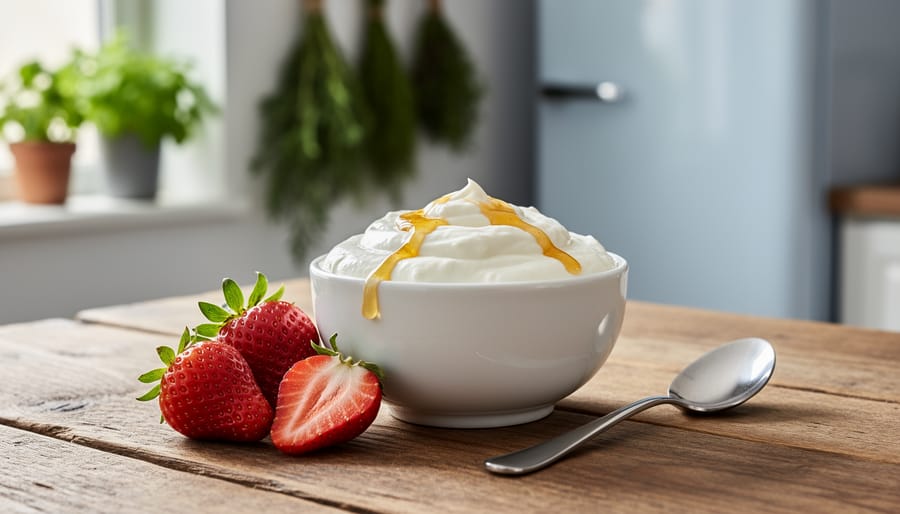
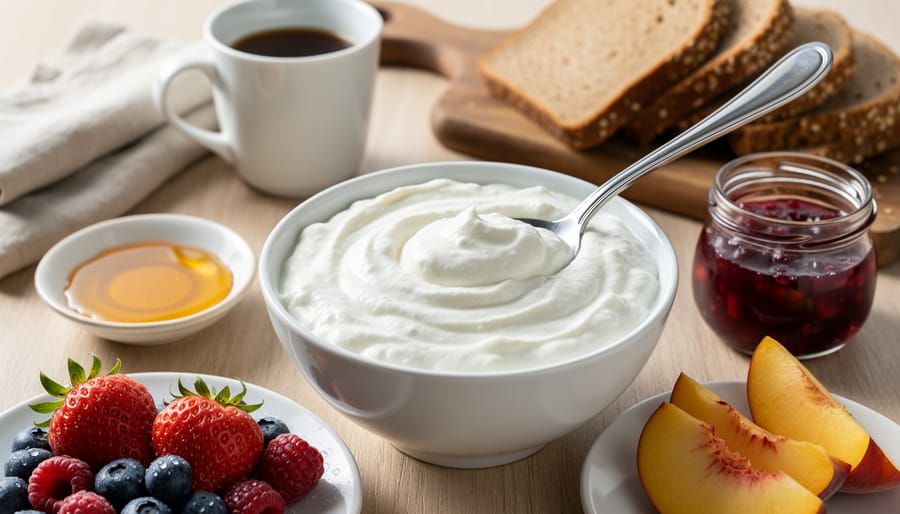
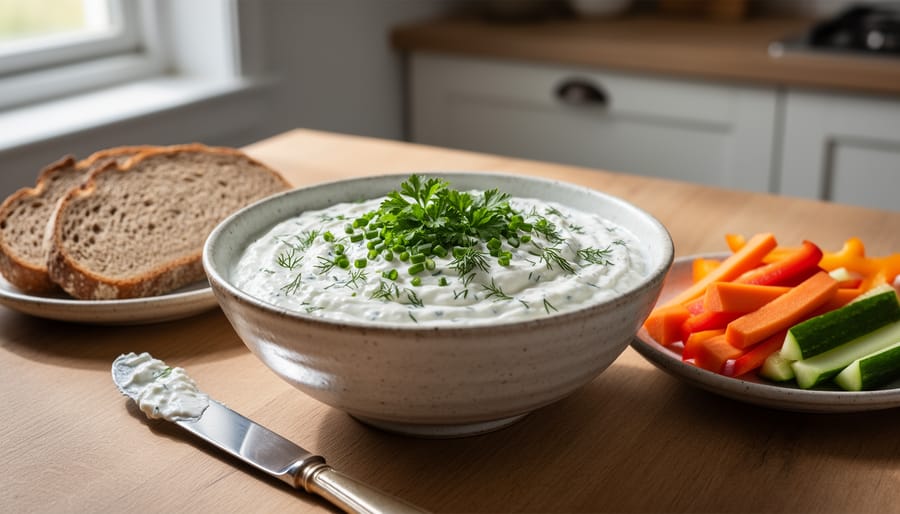
Walk into any German kitchen and you’ll likely find a tub of it in the fridge. It goes into breakfast bowls with fruit and honey, gets whipped into cheesecake fillings, and gets stirred with herbs for a spread that’s perfect on dark rye bread with boiled potatoes. Germans have relied on it for generations because it’s mild, versatile, and high in protein.
This guide explains how quark is made, the main fat levels you’ll see on the label, how it differs from yogurt, sour cream, and cream cheese, and which classic recipes to try first. We’ll also cover where to find it in Canada, so you can bring this staple of the German table home.
What Quark Means: A Plain-Language Definition
A Quick Look at Quark’s Place in German Food Culture
In many German-speaking homes, quark is simply there, like bread or butter. It might sit in a tub at the back of the fridge, ready to be stirred with herbs for lunch or folded into a weekend cake. Plenty of families have a recipe for Käsekuchen scribbled on a worn card, usually credited to a grandmother, with notes like “a little more quark if the batter looks stiff.” Nobody measures too carefully, and the tradition lives in the doing.
A few words come up again and again around the quark tub, so here is a short glossary:
- Quark
- A fresh, soft dairy product made by curdling milk and straining off the liquid, mild and gently tangy.
- Frischkäse (fresh cheese)
- Cheese that is eaten fresh instead of aged, a group that includes quark.
- Molke (whey)
- The thin liquid that drains away when milk curds are strained.
- Rahm (cream)
- The rich fat of milk, added to some quarks for a creamier texture.
- Fettstufe (fat level)
- The fat category printed on the package, which tells you how rich the quark will be.
Knowing these terms makes a German deli counter far less intimidating, and it sets us up nicely to see how quark is actually made.
How Quark Is Made and Why It Tastes the Way It Does
Making quark is a lot simpler than you might expect, and the process explains nearly everything about how it tastes.
It starts with warm milk, heated gently to a temperature that’s comfortable for the next step. Then comes the key ingredient: lactic acid cultures, the same friendly bacteria behind yogurt and buttermilk. Some makers add just a tiny splash of rennet, an enzyme that helps the milk set, but many traditional versions rely mostly on the cultures alone. The milk then rests, often overnight, while the bacteria slowly turn milk sugars into lactic acid. That gentle souring thickens the milk into a soft, delicate curd.
Next is the straining. The curd goes into a cloth or a fine strainer, and the liquid whey drains away. This is where the character of the quark is decided. A short drain leaves it loose and creamy, almost like a thick pudding. A longer drain gives a firmer, denser texture that holds its shape on a spoon. Many German cooks strain it to suit the recipe, looser for breakfast bowls and firmer for baking.
Fat content shapes the experience too. Quark made from whole milk or with added cream tastes rich, rounded, and silky. Lower-fat versions come across as lighter, brighter, and a little more tart.
That tang comes straight from the lactic acid, and it’s mild rather than sharp. Because quark is never aged, it keeps that fresh, milky sweetness underneath, which is why it feels both creamy and refreshing at once.
Types of Quark: From Magerquark to Sahnequark
Reading the Label: German Quark Terms Explained
Standing at a German deli counter, the quark labels can look like a puzzle. Here’s what the common ones mean.
Magerstufe means “lean” or fat-free. This quark is the tangiest and firmest, and it’s the one many bakers reach for in cheesecake batters. Magerquark is a close cousin, and it works nicely in spreads and dips.
20% F.i.Tr. and 40% F.i.Tr. refer to fat in dry matter (Fett in der Trockenmasse). That’s the fat measured after the water is removed, so a 40% quark is not 40% fat in the tub. The higher number simply tastes creamier and richer.
Speisequark is the everyday table quark, a name you’ll see most often on standard packs. Kräuterquark is quark stirred with herbs like chives and parsley, ready to spoon over potatoes.
Quark also isn’t only for savoury cooking. It adds a gentle tang and lightness to batters, so try it in German breakfast waffles or even Belgian waffles. For a no-cook spread, a spoonful can also soften a smoked mackerel pâté.
How Quark Is Used: Breakfast Tables, Baking, and Beyond
A Chef’s Take on Cooking with Quark
I haven’t interviewed a chef for this piece, and I won’t put words in a real person’s mouth. So here is how a conversation with a German or German-Canadian baker might go, along with the classic dishes it would likely cover.
If you sit down with a baker who grew up with quark, a few questions get the best answers. What did quark look like in your family kitchen? Which recipe do you make again and again? What would you tell someone buying their first tub? Ask them to name a dish, and you’ll often hear the same handful of favourites:
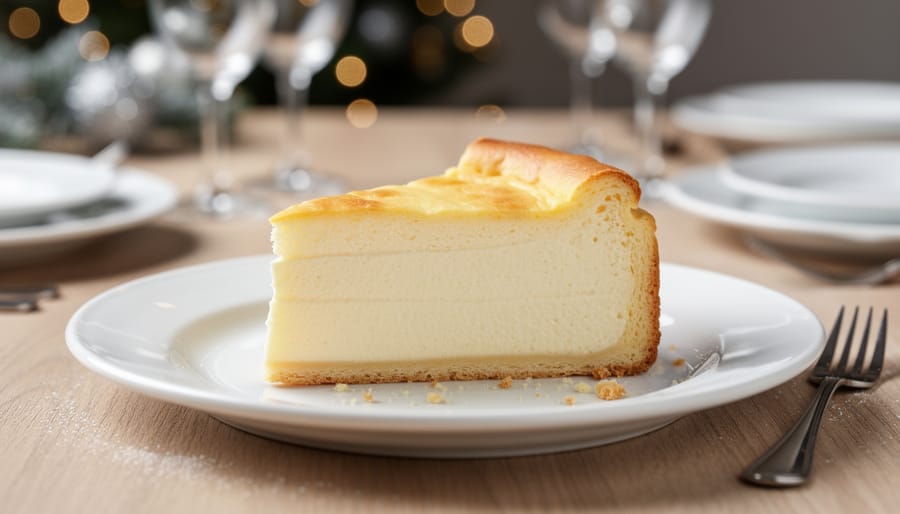
- Käsekuchen: a creamy German cheesecake built on a quark filling, lighter and tangier than its cream cheese cousins.
- Quarkkeulchen: pan-fried quark and potato pancakes, golden outside and soft within, often served with applesauce.
- Kräuterquark with potatoes: fresh herbs stirred into quark and spooned over warm Pellkartoffeln (jacket potatoes).
- Quarkbällchen: little fried dough balls made with quark, rolled in sugar while still warm.
- Quarkspeise: a chilled dessert of sweetened quark, often layered with fruit or whipped cream.
For first-timers, the usual advice from home cooks is simple: start with a gentle recipe, taste your quark before you cook, and add sweetness or herbs a little at a time.
Finding and Storing Quark in Canada
Finding quark in Canada takes a little detective work, but it’s very doable. Start at German delis and European markets, where you’ll often find it in the refrigerated dairy case, sometimes labelled “Speisequark” or simply “quark.” Well-stocked grocery stores with a good international or specialty dairy aisle may carry it too, and specialty importers are worth a look if you’re near a larger city. If you’re not sure what to grab, ask for the type that suits your recipe, such as a lower-fat quark for dips or a richer one for baking.
If authentic quark isn’t available nearby, there are sensible stand-ins. Plain strained yogurt or a fresh, soft cheese can work in many recipes, though the texture will be a touch different. You can adjust by draining the substitute a little longer for a thicker result.
Once you’ve brought it home, keep quark cold and tightly covered. Check the date on the package, and always use a clean spoon so it stays fresh. If you see off smells, discolouration, or mould, it’s time to discard it.
Not ready to cook with it yet? You can taste quark dishes at German restaurants or head to our recipe pages for ideas.
Quark Questions, Answered
Curious about quark? Here are the questions newcomers ask most often.
Is quark a cheese or a yogurt?
It’s usually called a fresh cheese, since it’s made by curdling milk and straining the whey. Its creamy, tangy character does feel a lot like thick yogurt, which is why people get confused.
How do you pronounce quark?
In German it sounds like “kvark,” with a crisp “kv” at the start. English speakers often say “kwork,” and you’ll be understood either way at the deli counter.
Can quark be substituted in recipes?
Quark works well in place of cream cheese, ricotta or thick yogurt in many dips, spreads and baked goods. Texture and fat content vary between products, so start with a small swap and adjust to taste.
How long does quark keep, and can I eat it on its own?
Keep it refrigerated and check the date on the package. Once opened, it’s best enjoyed within a few days. And yes, it’s lovely on its own: stir in some fruit and a drizzle of honey, or fresh herbs for a savoury snack.
As for whether quark is the same as other fresh cheeses, it’s closely related but not identical. Fresh cheeses all share that unaged, milky simplicity, yet quark has its own mild tartness and smooth, spoonable body that German cooks have relied on for generations. Once you’ve tasted it, the difference is easy to spot.
Quark is a gentle, tangy fresh cheese that asks very little of you and gives a lot back. Whether you pick up a tub of Magerquark for a light breakfast, Speisequark for baking, or Sahnequark for something richer, you’re working with one of the most adaptable ingredients in the German pantry. It stirs into a bowl with honey and berries on a quiet weekday, and it turns up just as happily in a golden Käsekuchen at a birthday table.
So if you’re curious, start simple. Mix fresh herbs into Kräuterquark and spoon it over warm potatoes, or bake a Käsekuchen for a weekend gathering. Then keep exploring our German recipes and restaurant guides, and taste how much one humble dairy staple can do.