

Why Research Peptides Are Illegal to Buy Online in Canada (And What You Need to Know)
Searching for research peptides online in 2026 isn’t just risky, it’s illegal in most cases, and Health Canada has taken aggressive action to shut down unauthorized sellers like Kylo Peptides and others operating in a regulatory gray zone. On June 11, 2026, the Superior Court of Québec granted Health Canada a permanent injunction against Canlab Research, a major online peptide retailer, blocking the company from manufacturing, distributing, or selling unauthorized injectable peptides anywhere in Canada. The ruling came after Health Canada warned consumers that these products, often marketed with unproven health claims, pose serious safety risks and violate federal drug laws.
As someone who writes about German cuisine and the importance of authentic ingredients, I understand the frustration of searching for specialized products that aren’t readily available through conventional channels. Just as you wouldn’t trust an unlabeled jar of Sauerkraut from a questionable online vendor, peptides sold without regulatory oversight carry unknown risks. These substances aren’t simple supplements. They’re complex biological compounds that can have profound effects on your body, and buying them from unauthorized sources means you have no guarantee of purity, dosage accuracy, or sterility.
CBC News demonstrated just how easy it remains to purchase these products online even after Health Canada’s warnings, successfully buying three unauthorized injectable peptides despite the regulatory crackdown. This gap between enforcement and availability creates a dangerous situation where consumers believe online availability signals safety or legality. It doesn’t. Making false or misleading health claims about peptides violates Canadian law, yet the practice continues across numerous websites that operate just outside regulators’ immediate reach.
What Are Research Peptides (And Why Are They Appearing Everywhere Online)?

Peptides are short chains of amino acids, the same building blocks that form proteins in our bodies. Think of them as smaller versions of the proteins that perform countless functions in human biology, from signaling hormones to repairing tissue. While our bodies naturally produce thousands of peptides, some pharmaceutical companies have developed synthetic versions to treat specific medical conditions under strict regulatory oversight.
Over the past few years, peptides have exploded across wellness websites, social media, and online forums. You’ve likely seen claims about their ability to build muscle, burn fat, improve skin appearance, or slow aging. This surge in popularity mirrors other wellness trends, but with a crucial difference: many peptides being promoted online aren’t approved for these uses, and some aren’t approved at all.
- Peptides
- Short chains of amino acids that act as biological messengers in the body, performing functions similar to proteins but in smaller, more targeted ways.
- Research Peptides
- A marketing term used by online vendors to describe unauthorized peptide products, often implying they’re for laboratory use only while clearly targeting consumers for personal use.
- Unauthorized Drugs
- Pharmaceutical substances sold without proper regulatory approval, including peptides marketed with health claims that haven’t been verified for safety or effectiveness by Health Canada.
- Health Canada Approval Process
- The rigorous regulatory review that ensures drugs meet safety and efficacy standards before being legally sold in Canada, including verification of manufacturing quality and accurate labeling.
The term “research peptides” is particularly misleading. Online vendors use this label to suggest their products are intended for scientific research only, not human consumption. Yet these same websites feature detailed dosing protocols, before-and-after photos, and testimonials clearly aimed at people planning to inject these substances themselves. It’s a legal fig leaf that fools no one.
Legitimate pharmaceutical peptides exist and serve important medical purposes. Insulin, used by diabetics, is a peptide. So are certain treatments for growth disorders and hormonal conditions. These undergo years of clinical trials, quality testing, and regulatory review before doctors can prescribe them. The products flooding online marketplaces skip this entire process, creating serious safety concerns that prompted Health Canada to take legal action against vendors in 2026.
The 2026 Canlab Research Case: What Happened in Quebec

On June 11, 2026, the Superior Court of Québec handed down a permanent injunction that sent ripples through the online peptide marketplace. The case centered on Canlab Research, a Québec-based online retailer that had been operating multiple websites selling unauthorized injectable peptides directly to Canadian consumers.
What made this case particularly significant wasn’t just that Canlab Research was selling these products without proper authorization. The company had been promoting them with a range of unproven health claims, positioning these peptides as solutions for various conditions without the clinical evidence or regulatory approval required for such statements. Think of it like a restaurant claiming their menu can cure ailments rather than simply nourish, a fundamental breach of trust with consumers who deserve accurate information about what they’re putting into their bodies.
Health Canada pursued this injunction because selling unauthorized prescription drugs violates Canadian law. Making false or misleading claims to prevent, treat or cure illnesses compounds the offense. The court’s decision was comprehensive. Under the permanent injunction, Canlab Research and its representatives are now prohibited from manufacturing, testing, distributing or selling unauthorized injectable peptides. They cannot assist others in doing the same, effectively shutting down their entire operation in this space.
The injunction came alongside a clear public warning from Health Canada urging Canadians not to buy peptides online. Yet the market persisted. CBC News demonstrated this by successfully purchasing three unauthorized injectable peptide products online after the official warning was issued, revealing how easily consumers can still access these unauthorized products despite regulatory action.
This case serves as a cautionary tale about the online health product landscape. Canlab Research operated websites that looked professional, made compelling claims, and processed orders efficiently. To the average consumer, they might have appeared legitimate. The injunction revealed otherwise, exposing a business model built on selling unauthorized products with unsubstantiated promises. For consumers accustomed to evaluating quality and authenticity in what they consume, this case underscores a vital lesson: regulatory authorization isn’t bureaucratic red tape. It’s the difference between a verified product and one that carries unknown risks.
Why Health Canada Says Buying Peptides Online Is Dangerous
Health Canada’s position on unauthorized peptides is unambiguous: these products pose serious health risks and violate Canadian law. The agency’s warnings stem from a clear legal framework that most online vendors either ignore or deliberately circumvent.
Under the Food and Drugs Act, selling prescription drugs without proper authorization is illegal in Canada. This isn’t a gray area. Injectable peptides fall squarely into the category of drugs that require Health Canada approval before they can be sold or marketed. When companies like Canlab Research operate outside this system, they’re not just bending rules, they’re breaking them.
The regulatory concern goes beyond paperwork. Health Canada issued its strong warnings because unauthorized peptides present multiple dangers to consumers:
- No guarantee of product purity or sterility in injectable formulations
- Unknown or inaccurate dosages that could lead to harmful effects
- Unproven health claims that mislead consumers about benefits and risks
- Lack of quality control or manufacturing standards
- No oversight of storage or handling conditions during shipping
- Absence of reliable information about potential drug interactions or contraindications
The June 2026 injunction against Canlab Research highlights how seriously regulators take these violations. Making false or misleading claims about preventing, treating or curing illnesses compounds the legal issues. These aren’t victimless regulatory infractions, they directly impact consumer safety.
What makes the situation particularly troubling is how readily available these products remain despite official warnings. After Health Canada publicly cautioned against buying peptides online, CBC News purchased three unauthorized injectable peptide products without difficulty. The ease of access doesn’t change the legal reality or the health risks.
The regulatory framework exists for good reason. When you inject something into your body, you need assurance about what it contains, where it came from, and that it does what the seller claims. Unauthorized vendors can’t provide those guarantees, which is precisely why Health Canada treats this as a serious public health issue rather than a minor compliance matter.
The Parallel to Food Safety: Why Authenticity and Authorization Matter
When we discuss German food guide principles on this site, we’re talking about more than recipes. We’re talking about trust in what you consume.
Traditional German food preparation operates on a foundation of verifiable standards. Black Forest ham carries protected geographical indication status, meaning every step, from breed selection to smoking technique, meets documented requirements. You can’t slap “Schwarzwälder” on a label without proving your process. The same goes for Bavarian beer purity laws that have governed brewing since 1516. These aren’t suggestions, they’re enforceable frameworks ensuring what you buy matches what you expect.
The parallel to unauthorized peptides is stark. Just as an artisan butcher in Baden-Württemberg must prove their Schinken meets regional standards, pharmaceutical manufacturers must demonstrate their products are safe and effective through rigorous testing. A vendor claiming their peptides are “research grade” without Health Canada authorization is like a restaurant claiming their schnitzel is authentic Wiener Art while using grocery store chicken breasts and breadcrumbs. The name might sound right, but there’s no verification of what’s actually on your plate, or in your vial.
Source authenticity matters because consequences aren’t abstract. German food producers who falsify origin claims face legal action and loss of certification. Online peptide sellers face injunctions, like the one against Canlab Research, precisely because unauthorized health products pose measurable risks.
Quality certifications exist to protect consumers who can’t personally verify every claim. Whether you’re buying Lebkuchen with an EU protected designation or prescription medications, the principle is identical: authorization proves someone independent verified safety and authenticity before the product reached you.
How to Protect Yourself: Recognizing Unauthorized Health Products Online
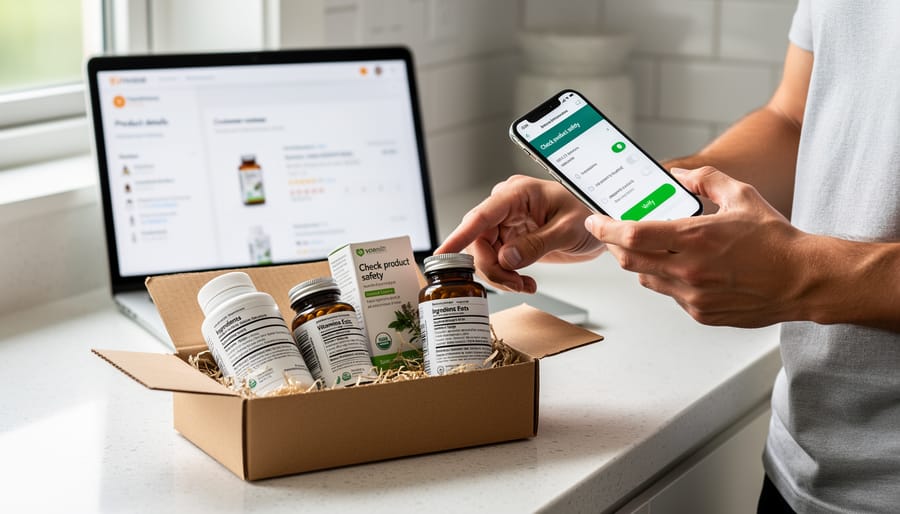
Shopping for health products online requires the same careful scrutiny you’d apply when selecting a trusted supplier of traditional German ingredients. Just as you wouldn’t purchase Schwarzwälder Schinken from a vendor who can’t prove its Black Forest origins, you shouldn’t buy therapeutic products from websites operating without proper credentials. Here’s how to spot the warning signs.
The most glaring red flag is unproven health claims. If a website promises that peptides will “reverse aging,” “cure chronic disease,” or “eliminate the need for medication,” you’re looking at illegal marketing. Legitimate pharmaceutical suppliers never make sweeping health promises, they provide clinical data and proper disclaimers. These exaggerated claims mirror what Canlab Research used before Health Canada shut them down.
Check for authorization information. Health Canada maintains a searchable Drug Product Database of approved medications and authorized sellers. Here’s how to verify a product:
- Visit the Health Canada Drug Product Database on their official website
- Search for the specific product name or active ingredient
- Verify the Drug Identification Number (DIN) matches what the seller claims
- Confirm the authorized seller appears on Health Canada’s licensed vendor list
- Cross-reference the dosage and formulation with approved specifications
If a website doesn’t prominently display authorization numbers, lacks a physical Canadian address, or operates through payment methods that avoid traditional banking scrutiny, proceed with extreme caution. These are hallmarks of vendors working in regulatory gray areas.
Watch for vague language like “for research purposes only” or “not for human consumption” on products clearly marketed for therapeutic use. This disclaimer is often a thin legal shield for selling unauthorized substances. When authenticity matters, whether you’re sourcing genuine Thuringian bratwurst or health products, verification should never be optional. Health Canada’s warning against buying peptides online exists because even after regulatory action, CBC News could still purchase unauthorized products, proving that vigilance remains essential.
Throughout our years exploring German culinary traditions, we’ve learned that authenticity requires verification. You wouldn’t accept a jar labeled “Bavarian Senf” without checking its origin, and you’d walk out of any restaurant serving microwaved Schnitzel as “traditional.” The same skepticism must guide your health decisions.
The 2026 Canlab Research case demonstrates what happens when vendors prioritize profit over safety, making unproven health claims to sell unauthorized injectable products. Health Canada’s warning is clear: buying prescription drugs online without proper authorization isn’t just risky, it’s illegal in Canada.
Being a discerning consumer means asking the right questions. Is this product authorized for sale? What credentials does the seller have? Would my doctor recommend this source? These aren’t inconveniences; they’re essential safeguards.
Before purchasing any therapeutic product online, consult your healthcare professional. Verify authorization through Health Canada’s database. If a vendor can’t provide clear regulatory credentials, walk away. Your health deserves the same careful sourcing you’d demand from a premium Leberkäse supplier. Don’t compromise on either.